

Because That Is My Heart-Language!

There is something both simple and profound I need to say:
I cannot guide trauma survivors in any language other than Dutch.
Not because I don’t want to, not because I don’t care, and certainly not because international survivors matter less.
It is because Dutch is my heart-language, the place where my truth lives.
When you work with stories shaped by trauma, CPTSD, survival, anxiety, stress, study problems, depression, and deep emotional wounds, language stops being just a tool. It becomes a lifeline. Every nuance matters. Every silence matters. Every word carries weight, memory, resonance.
In Dutch, I can feel what someone is trying to say even when they cannot say it clearly.
I know the emotional temperature of a sentence.
I hear the shift in meaning between one verb and the next.
I understand not only the words, but the wounds underneath them.
That depth disappears when I step into another language.
English may be fluent, but it is not intimate. It is not instinctive. It is not home.
And trauma work, real trauma work, must come from home.
“Heart-language” is not about limitation. It is about safety.
For both the survivor and the guide, emotional precision is essential.
I can only offer that precision in Dutch.
I can only promise safety in Dutch.
I can only stay fully authentic in Dutch.
That is not a flaw. It is clarity.

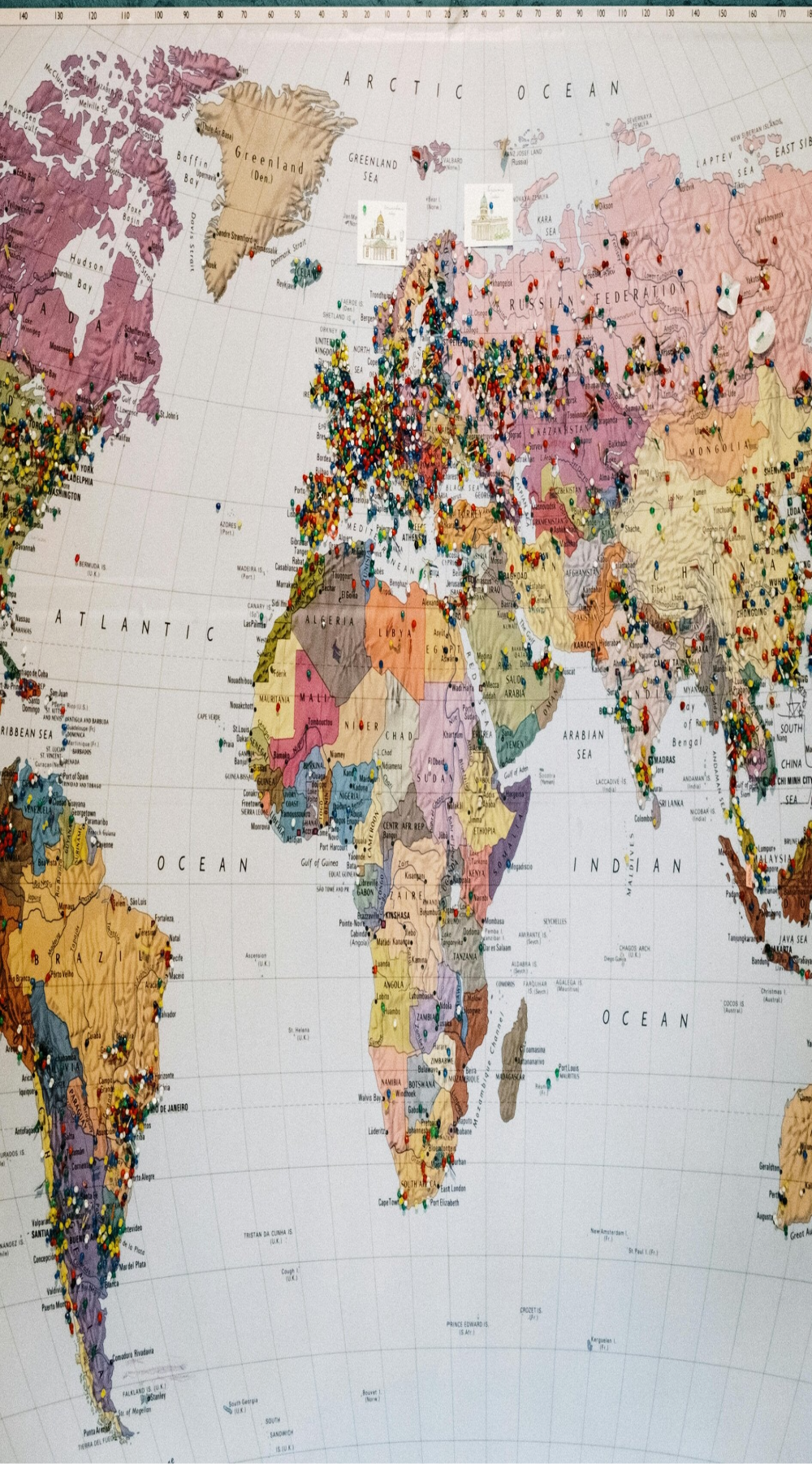
Strong English, German, Spanish, Arabac and other language support is available
Thankfully, people who prefer English or another language are not left without high-quality trauma-informed options. There are organisations specialised in multilingual, culturally respectful care:
Inter-Being Psychologists
A highly regarded practice offering therapy in English (and other languages) for expats and international students. Their work is holistic, trauma-informed and sensitive to cultural transitions, covering anxiety, stress, depression, trauma, identity issues and study problems.
Website: https://www.inter-being.nl
Empower Psychotherapie
A warm and small-scale multilingual practice offering therapy in English, German, Spanish and more. Known for personal attention and evidence-based methods for trauma, anxiety, compulsive behaviour, stress and emotional difficulties.
Website: https://www.empower-pt.nl/en
Gunez GGZ
A modern, multidisciplinary mental health organisation providing culturally sensitive care in multiple languages. They offer trauma therapies (including EMDR, ACT, CBT), VR-supported treatments, online options and personalised support for anxiety, stress, depression, trauma and related problems.
Website: https://www.gunez.nl
These organisations offer something I cannot:
professional trauma support in the language that feels safest to them.
My choice is not exclusion. It is devotion.
Working in Dutch keeps me grounded.
It keeps me honest.
It keeps me connected to the deepest parts of myself, the parts that survived, healed, broke, rebuilt and still breathe.
And those are the parts I bring when I support another survivor.
To switch languages would mean diluting that presence.
It would mean offering less than I know is needed.
And survivors deserve more than “almost,” “close enough,” or “I hope I understood you right.”
They deserve the full truth.
I can only offer that in Dutch.
This is not about language. It is about integrity.
So yes, I support Dutch-speaking survivors only.
Not out of preference.
Out of respect, for them, for trauma, and for the weight of the work.
If your heart beats in Dutch, I’m here.
If it beats in another language, there are excellent organisations ready to walk with you.
Healing is universal, but the language of safety is personal.
My safety, my authenticity, my truth…
they all live in Dutch.

Reactie plaatsen
Reacties